Why the quickest lap isn’t the whole story
Understand the trade-off behind an early pit stop.
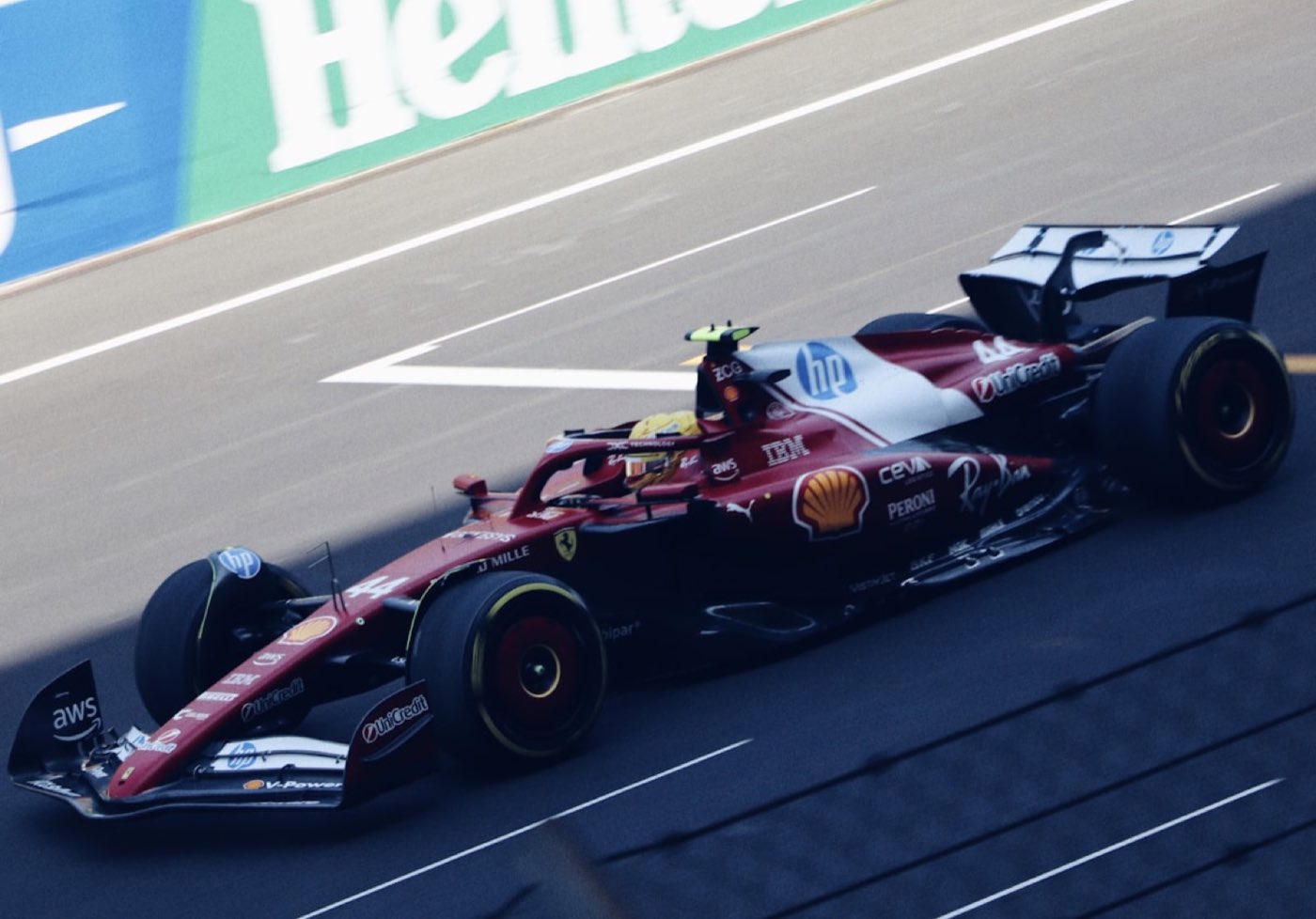
A fast lap is one piece of a race. A strategy must account for the laps before and after it, the time spent in the pit lane and the traffic a driver is likely to meet.
The early-stop idea
An undercut involves stopping before a rival in the hope that the performance advantage of fresh tyres will allow a driver to emerge ahead after that rival stops. It is an attempt to gain position through the sequence of stops, rather than through an on-track pass.
Timing is only part of the decision
An early stop also changes the length of the remaining stint. When watching, compare the immediate opportunity with the work those tyres may have to do later. A decision that produces one quick lap still needs to make sense over the rest of the race.
Watch the rejoining traffic
Before a stop, look beyond the two cars fighting for position. A driver can rejoin near other cars, so the gap to that part of the field matters as well.
A useful viewing habit
Write down who stopped first and where they rejoined. Then compare positions after both drivers have stopped. This gives you a clearer view of the exchange than judging the move from the pit-stop animation alone.
Sources
This report was drafted with AI assistance from the official sources listed above and reviewed before publication.